Where to Buy an Inkjet Printer: Every Store
Updated

You can buy the same inkjet printer at a dozen stores, and the box looks identical in every one. The machine barely changes from shelf to shelf. What changes is the number on the box and the ink rack beside it — and those two things quietly decide what the printer costs you to own.
HP, Canon, and Epson all ship retailer-exclusive model numbers, so the same chassis wears a different suffix at Walmart, Best Buy, and on Amazon. That breaks the one calculation that matters: cost-per-page over time.
This page is not a store listing. It is the buyer's map of where to shop and how to read the box.
Where you buy barely changes the printer
The hardware is identical at every store; the running cost is not. A retailer-exclusive SKU and the ink a store stocks change what you pay across a year far more than the sticker does. Buy for cost-per-page, not for the cheapest shelf.
The store is a vending machine; the cartridge is the subscription.
The same printhead and the same cartridge platform sit inside the box at a warehouse club and at a manufacturer's site alike, so the hardware is the constant and the running cost is the variable the retailer hides. Independent cost-per-print testing at RTINGS, which has lab-tested 182 printers, ranks budget cartridge inkjets among the most expensive printers to own per page, and that gap is identical at every store that stocks the model. So the right question is never "who is cheapest today" — it is "who stocks the model with the lowest cost-per-page for my print volume." We sort the whole catalog by that fork in our guide to the printer families and how they are structured.
Walmart leans budget and hides the SKU
Walmart has the cheapest stickers and the deepest budget-cartridge aisle, no Amazon price-match, and a 90-day return window. It also runs the SKU trap hardest: a Walmart-exclusive model number you cannot match anywhere else.
Walmart sells more printers than almost anyone, and the aisle is built for impulse: a wall of boxes under the cheapest price bracket, a rollback sticker, an ink rack beside them. The in-store mix skews hard to the budget cartridge tier — HP DeskJet and Envy, Canon PIXMA, Epson Expression Home all-in-ones, the machines that cost the least to buy and the most to feed. Refillable supertanks like the Epson EcoTank now hold a rack too, but Brother and the deeper office catalog live more on Walmart.com than on a typical endcap.
Here is the trap built into that aisle. A brand sells what is functionally one printer under several model numbers, one per major retailer, so no two stores carry an identical number you can line up. It is a deliberate price-match defense, and the printer-buying guidance at Consumer Reports warns that near-identical models with different numbers make running-cost comparison the hard part of the purchase. The damage is specific: if you cannot match the Walmart number to a reviewed model, you cannot find its tested cost-per-page, and the cartridge tax stays invisible until the second ink trip.
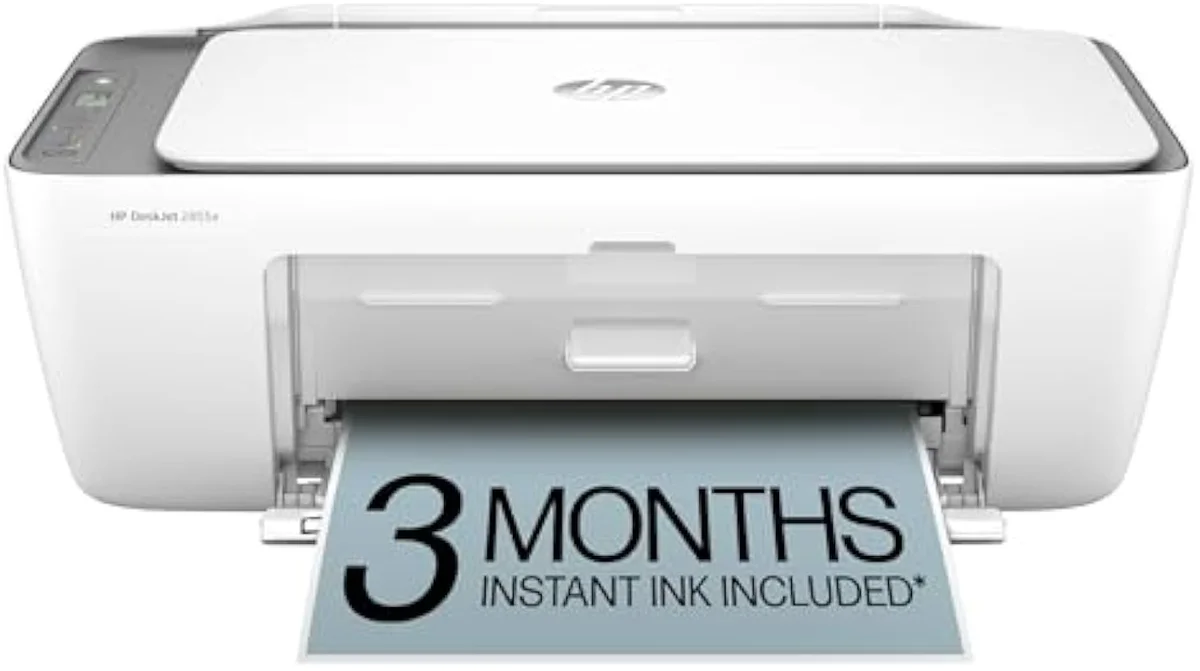
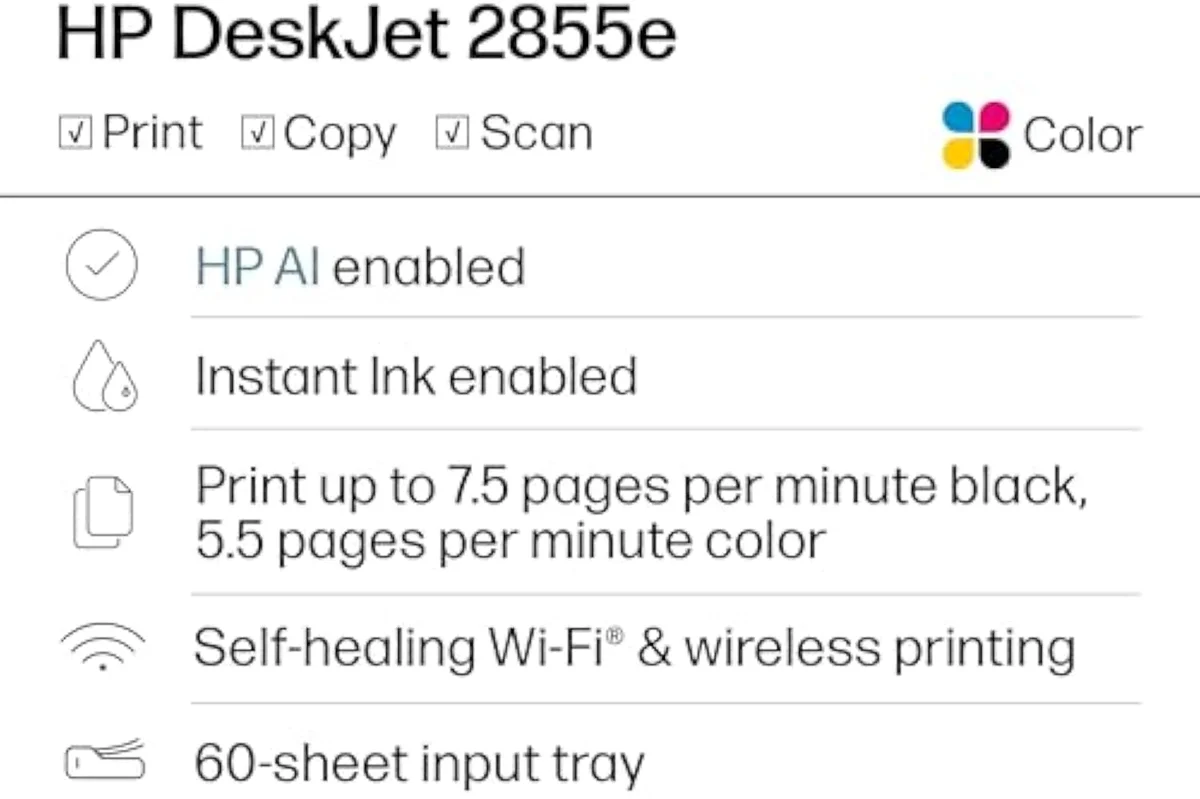
Walmart will not rescue you with a price match — its policy excludes Amazon and marketplace sellers outright and will not match its own rollback after the fact. The stronger card is returns: most electronics get a 90-day window with a receipt, past the 30-day norm at many stores, provided the box comes back complete with cartridges and cables. The decode that reopens honest shopping is simple, and we apply it model by model in our printer comparison criteria. (For the full Walmart-aisle playbook, the budget pick is the HP DeskJet 2855e.)
Amazon has the deepest catalog
Amazon carries the widest model range and the most owner reviews per printer — hundreds, against a handful in a store. It is also where our affiliate buy links go, which we state plainly. The cost: it runs the most retailer-exclusive SKUs.
Amazon stocks the widest model range of any single store — the budget cartridge machines, the supertanks, the office all-in-ones, and the wide-format photo printers the big-box aisle never carries, all in one place. It is also where the retailer-exclusive SKU game runs hardest: brands ship Amazon-specific model numbers next to the Walmart and Best Buy ones, so the suffix on an Amazon listing rarely matches the box on a store shelf even when the chassis is the same.
Honestly, we should say this plainly: when we recommend a printer, our buy links go to Amazon, because that is our affiliate path. We tell you that plainly rather than pretend the choice is neutral. The upside for you is real — Amazon carries hundreds of owner reviews per model, and editorial testing at PCMag publishes cost-per-page by cartridge platform, so once you decode the ink number you can cross-check the running cost against a listing's price. The volume of reviews is the genuine advantage of buying on Amazon; the model-number salad is the cost. We stage every claimed page-yield figure against synthesized owner reports in our inkjet printers evidence hub.
Best Buy lets you demo first
Best Buy's edge is the showroom: see the unit run, feed cardstock yourself, watch a wireless setup. It adds Geek Squad support and an Amazon-first price match — narrow, because the SKU trap often leaves no matching Amazon listing.
The showroom is the real draw. You can stand in front of a working unit, feed a sheet of cardstock through the tray, and have a sales associate walk the wireless setup that dominates one-star reviews everywhere else. For a buyer nervous about Wi-Fi friction or printhead build quality, seeing the machine run is worth more than a few dollars of price spread.
It backs that with Geek Squad setup and support, and a price-match policy that does cover Amazon listings sold and shipped by Amazon itself — narrower than it sounds, because the retailer-exclusive SKU often means there is no identical Amazon number to match. Editorial roundups at TechRadar consistently push buyers toward refillable supertanks for any steady print diet, and Best Buy stocks those on the floor where you can compare a cartridge machine and a tank side by side before deciding. Decide on the printer type first using our type-versus-type tradeoffs analysis, then use the demo floor to confirm the build.
Staples and Office Depot reward business buyers
Staples and Office Depot lean to duplex, ADF, and higher-duty all-in-ones, carry the deepest ink walls, and pay cartridge-recycling credit plus rewards on ink spend — a real lever on the recurring cost the cartridge tax is built on.
These stores aim at a different buyer: the home office and small business that prints steadily and buys ink on a schedule. Their floors lean toward duplex, ADF, and higher-duty all-in-ones rather than the sub-$100 impulse machines, and their ink walls are the deepest of any physical retailer — the place most likely to stock a less common cartridge the same day.
The real draw is the rewards programs. Staples and Office Depot both pay recycling credit for returned empty cartridges and run member rewards that rebate a share of ink spend, which matters precisely because ink is the recurring cost the cartridge tax is built on. A budget machine still costs more to feed than a supertank even with rewards — the credit trims the tax, it does not remove it — but for a buyer committed to a cartridge model, the recycling and rewards loop is a genuine running-cost lever. We judge each printer against that running-cost reality in our inkjet printers evidence hub.
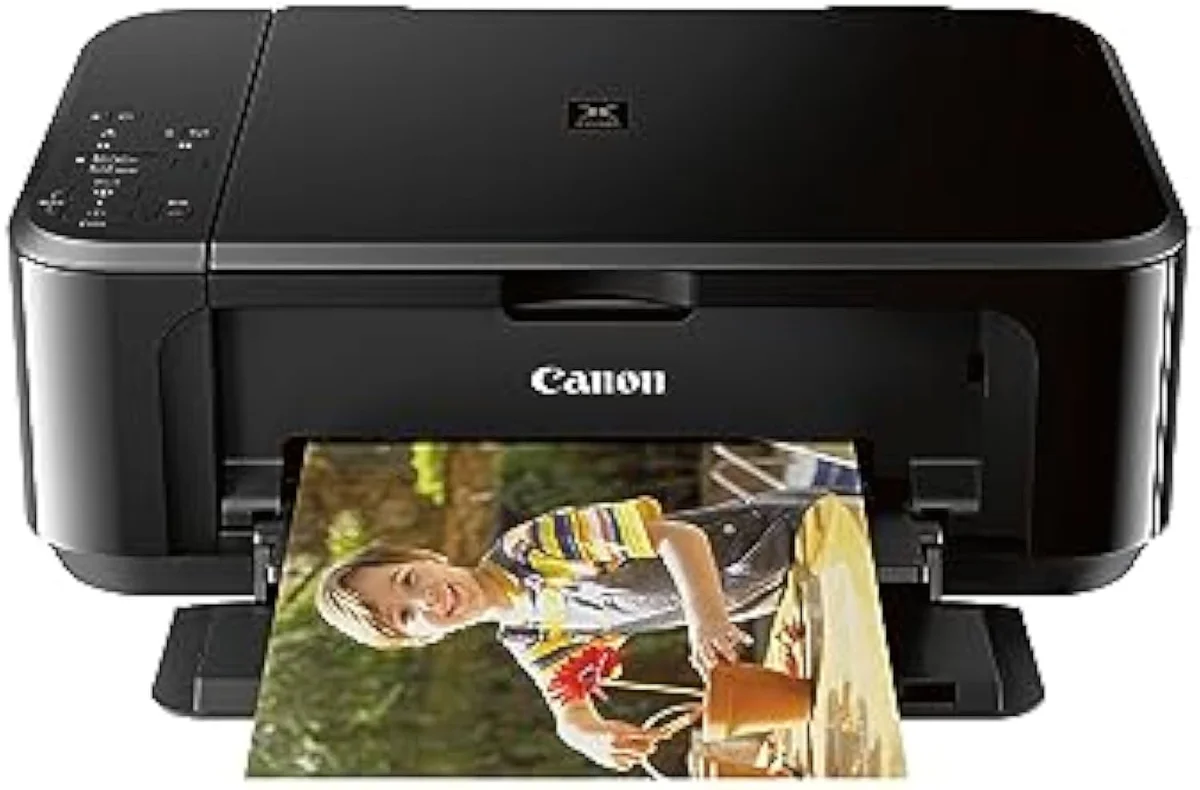
Cartridge
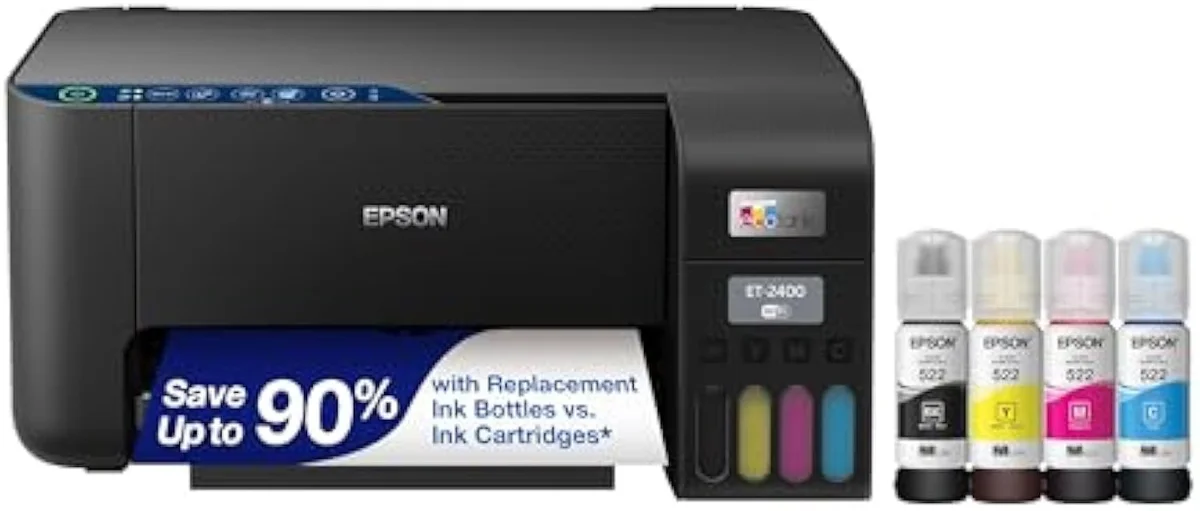
Supertank
Costco bundles but stocks few models
Warehouse clubs carry only a handful of models but package them as printer-plus-ink bundles at a per-unit value the open floor rarely beats, with extended membership warranty on top. The cost is selection: you take the model the club chose.
It is a narrow but real game. Costco and Sam's Club carry only a handful of printer models at a time — usually a supertank or a higher-end all-in-one chosen for the membership crowd — but they package them as bundles: the printer plus extra ink, sometimes a paper supply, at a per-unit value the open retail floor rarely beats. When a model you already want appears in a club bundle, it is frequently the best total price for that exact machine.
The club edge stacks two ways: bundled ink that softens the cartridge tax on day one, and the extended return-and-warranty cover membership carries, which on many clubs runs longer than a manufacturer's base term. The cost is selection — you take the one or two models the club chose, not the model your cost-per-page math actually points to. Editorial buying guidance at PCGuide stresses matching the printer to your real print volume first, which is the discipline a warehouse bundle quietly tests: a great deal on the wrong machine is still the wrong machine. The models clubs tend to bundle are the supertanks, so decide from our ranked best supertank printers before you walk in, and treat the bundle as a price check, not a recommendation.
Buying direct from HP, Canon, Epson
The maker stores list every variant with no SKU confusion, because the brand owns the numbering. The buried value is certified-refurbished supertanks and office machines below retail, carrying a 90-day-to-one-year manufacturer warranty against a reseller's 30 days.
The manufacturer stores — HP.com, Canon's and Epson's own shops — give up the floor demo and the deep review count but win on two things: the full model range and the certified-refurbished tier. Every variant a brand makes is listed in one place with no retailer-exclusive SKU confusion, because the maker owns the numbering, so cross-referencing a model to its tested cost-per-page is easiest here.
The refurbished program is the buried value. HP, Canon, and Epson all sell tested, certified-refurbished supertanks and office machines below retail with a real manufacturer warranty — commonly 90 days to a full year against the 30-day window a third-party reseller offers — and buying direct registers that warranty automatically and guarantees genuine-ink compatibility. The ISO/IEC 24711 page-yield standard, which prints a fixed test suite continuously, is the same number the brand quotes on its own site and on a store box, so the yield claim does not change when you buy direct — only the warranty length and the refurbished discount do. For a higher-yield machine worth refurbishing, the manufacturer store is often the quiet best price with the strongest cover. We weigh refurbished value against new in our printer comparison criteria.
How to actually buy a printer
Pull it together at the point of purchase. Four moves turn any store into an honest comparison, and they work the same at a Walmart aisle, an Amazon listing, or a manufacturer's refurbished page.
None of them needs a salesperson or a coupon.
First, decode the SKU: flip the box, find the cartridge number, and use that instead of the model number to look up the machine. Second, compare cost-per-page, not sticker price — a budget cartridge set frequently approaches the printer's own price, while a supertank quotes bottle yields in the thousands of pages, so the crossover decides the cheaper machine, not the shelf tag. Third, check in-store ink availability for the cartridge your model takes, because a printer whose ink you can refill same-day at a nearby ink wall is worth more than one you must order online every time. Fourth, choose the channel: buy online for selection and owner reviews, in person for same-day pickup and a setup demo.
Where to start
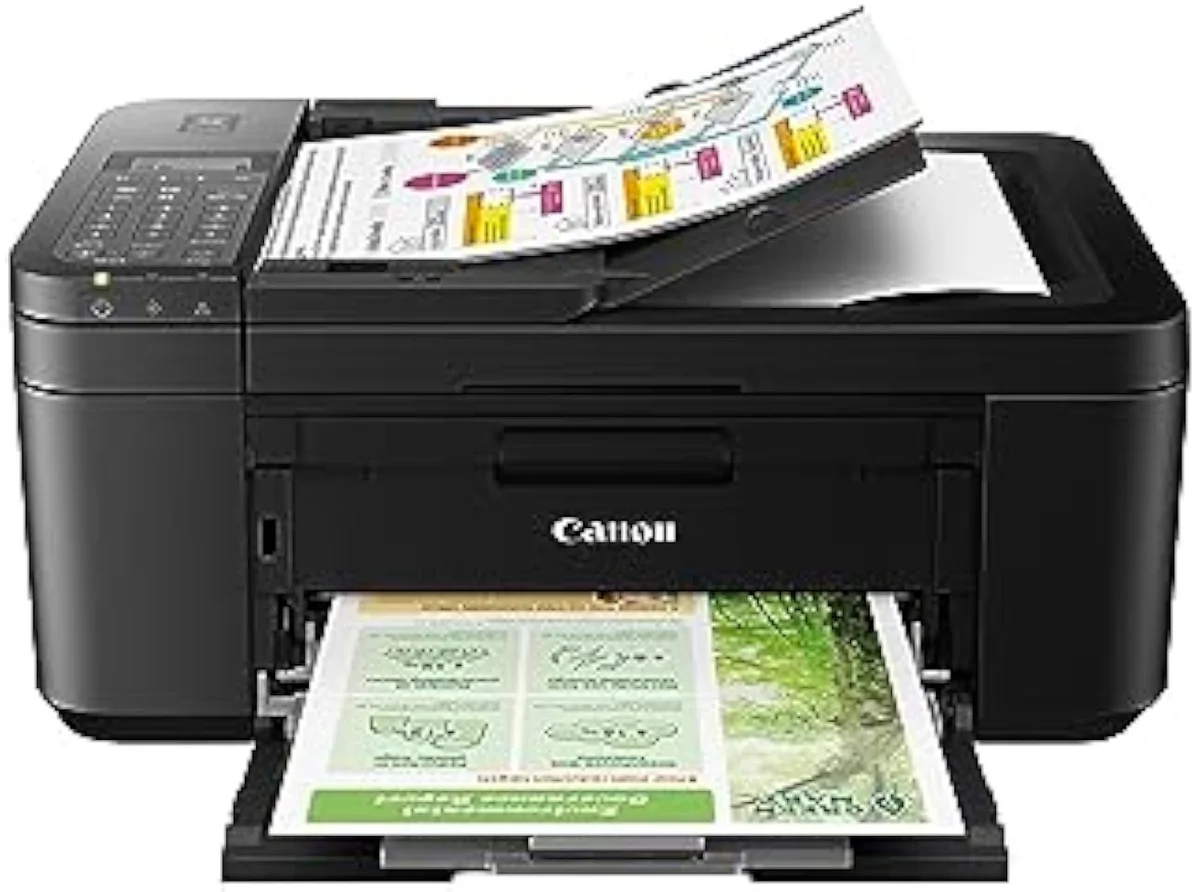
Any store is a fine place to buy a printer once you stop trusting the box. Decode the retailer-exclusive SKU back to its cartridge platform, look up the cost-per-page for that ink, and let the running-cost math pick the machine — a budget cartridge model only if you print rarely, a refillable supertank for any steady diet, bought wherever the total price (bundle, refurb, or rollback) is lowest for that exact model. The model-by-model reasoning lives in our research layer below.
Frequently Asked Questions
Where to buy an inkjet printer in one paragraph
You can buy an inkjet printer at Walmart (cheapest stickers, deepest budget-cartridge aisle, no Amazon price-match, 90-day returns), Amazon (deepest catalog and the most owner reviews, and where our affiliate buy links go), Best Buy (in-store demo, Geek Squad, an Amazon-first price match), Staples or Office Depot (business duplex and ADF models plus the deepest ink walls and cartridge-recycling rewards), Costco or a warehouse club (printer-plus-ink bundles and extended warranty on a tiny model selection), or direct from HP, Canon, and Epson (the full range with no SKU confusion plus certified-refurbished units carrying a 90-day-to-one-year warranty) — but where you buy barely changes the printer; the retailer-exclusive SKU and the in-store ink decide what you pay, so the move at every store is the same: read the cartridge number instead of the model number, compare cost-per-page rather than sticker price, and buy the lowest-running-cost machine for your volume wherever its total price is lowest.
Where is the cheapest place to buy an inkjet printer?
The sticker is usually lowest in a Walmart rollback or a holiday doorbuster, but the sticker is the wrong number. A budget cartridge machine that is cheapest to buy is often the most expensive to own once the cartridge tax lands, while a supertank that costs more up front quotes bottle yields in the thousands of pages. The cheapest place is wherever stocks the model with the lowest cost-per-page for your volume — not the lowest shelf price.
Are big-box printer model numbers different from Amazon?
Often, yes — and it is the trap that makes store-to-store shopping harder. HP, Canon, and Epson ship retailer-exclusive SKUs, so a printer that is one model number at Walmart can wear a different suffix at Best Buy or on Amazon even when the hardware is the same chassis. The exclusive number is built so you cannot price-match it. Decode it back to the cartridge number before you compare running cost.
Should you buy a printer in store or online?
Online wins on selection and reviews; in person wins on same-day pickup and the ability to see the build. Buy in store when you want the unit today, want to feed cardstock through the tray yourself, or want a sales floor to demo wireless setup. Buy online when you want the office and supertank models the aisle never stocks, or want to read hundreds of owner reviews before committing.
Does Best Buy price match Amazon on printers?
Best Buy price-matches a set list of major online retailers including Amazon, but only Amazon listings sold and shipped by Amazon itself, not third-party marketplace sellers. The retailer-exclusive SKU still gets in the way — if Best Buy stocks a model number that does not exist on Amazon, there is no identical listing to match against, which is exactly why brands create the separate numbers.
Can you buy printer ink in store the same day?
For the popular cartridge lines, usually yes. Walmart, Target, Best Buy, Staples, and Office Depot all keep an ink wall stocked with the common HP, Canon, and Epson cartridge numbers near the printers. The catch is the cartridge tax: a replacement color-and-black set for a budget machine frequently approaches the printer's own sale price, and the standard cartridge that ships in the box yields only about 100 to 120 pages.
Is it worth buying a refurbished printer direct from the manufacturer?
For a supertank or office model, often yes. HP, Canon, and Epson all sell certified-refurbished units through their own stores at a tier below retail, fully tested and carrying a real manufacturer warranty — typically 90 days to a year rather than the 30-day window a third-party reseller offers. Buying direct also registers the warranty automatically and guarantees genuine ink compatibility, which matters most on the higher-yield machines worth refurbishing.
Read the Full Review
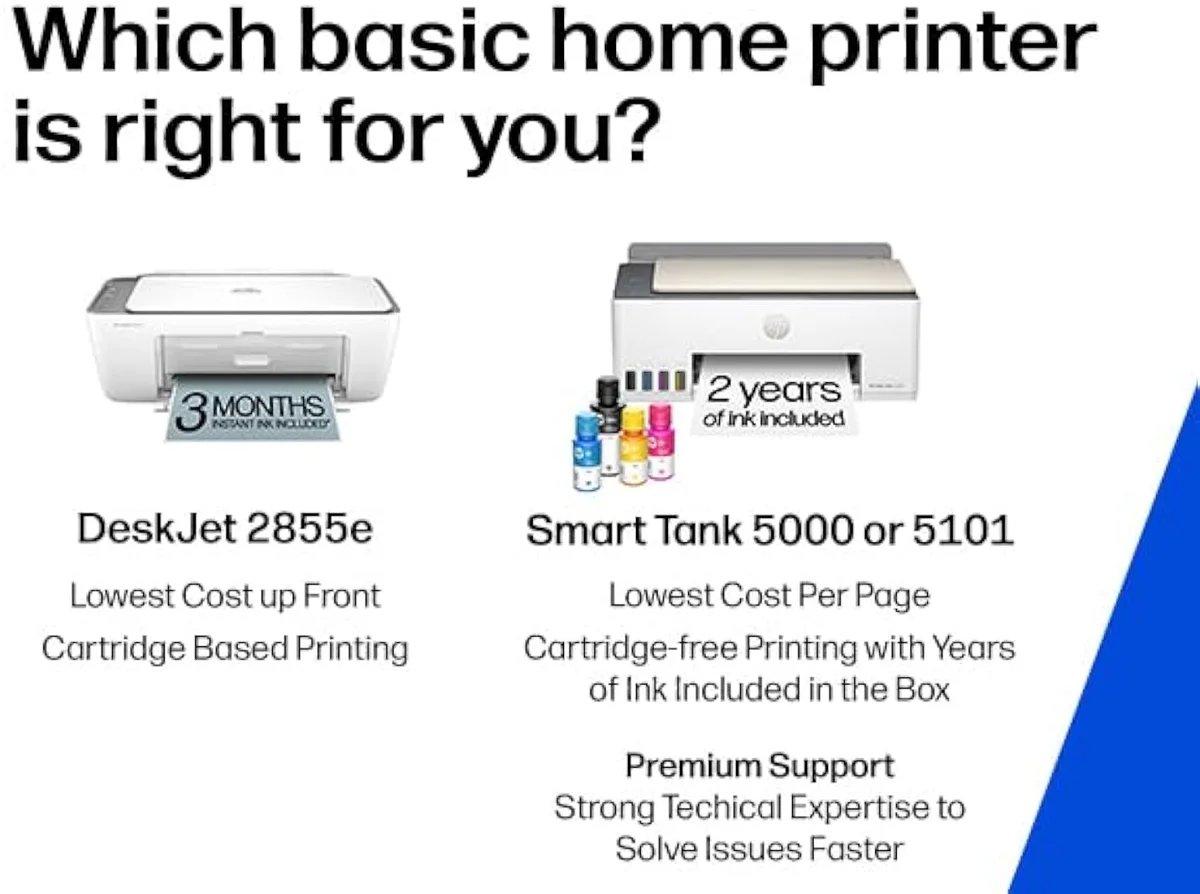
Want a deeper look at the HP DeskJet 2855e?
Keep reading
Three ad-free explainers that take the cost-of-ownership case deeper, model by model:
Sources
- RTINGS — printer test methodology, cost-per-print scoring across 182 models
- Consumer Reports — printer buying guide and running-cost guidance
- PCMag — the best printers, cost-per-page by cartridge platform
- TechRadar — best printer roundup and inkjet buying guidance
- PCGuide — printer reviews and match-the-printer-to-your-volume buying guidance
- ISO/IEC 24711 — the standard page-yield measurement method (Wikipedia)
Inkjet Printers notes that actually mention the tradeoffs
Occasional updates on inkjet printers evidence, price movement, and buyer-fit changes.
Only when something changes. Unsubscribe anytime.